Exposure Visit to “Alokito Kori”
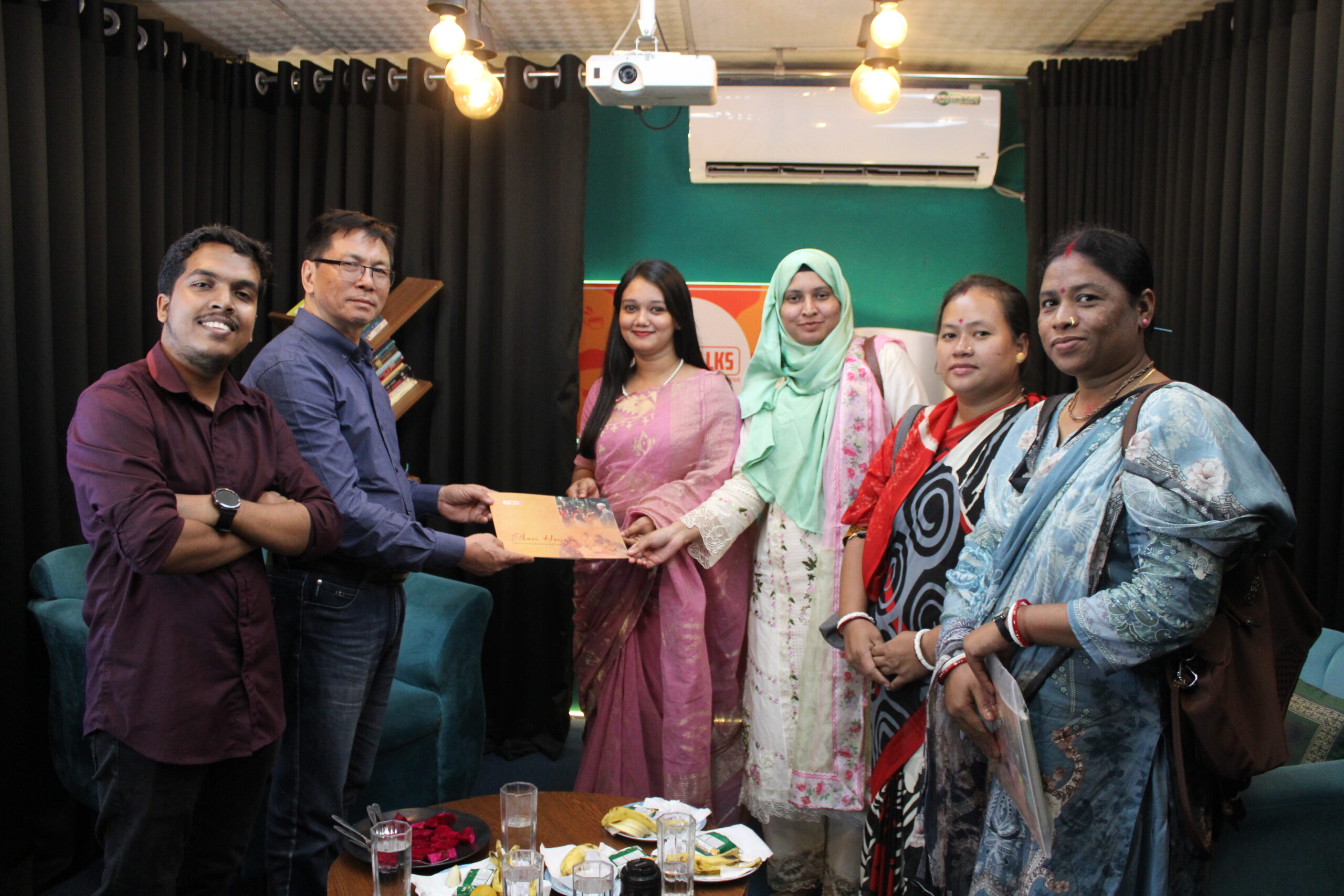
On October 15, 2025, a four-member team from ECDO, including the Executive Director of ECDO Mr. Lakshmikanta Singh, visited the office of Alokito Kori as part of an exposure visit under the Community Development through the Initiative of Local Volunteers (CDTILV) program, supported by Global Fund For Children (GFC).The primary aim of the visit was to engage in knowledge-sharing sessions, explore community-led development practices, and gain a deeper understanding of how the SALT approach is impacting marginalized urban and rural communities.
The visit proved to be both enriching and inspiring. ECDO representatives had the opportunity to observe how Alokito Kori facilitates community transformation and empowers local volunteers. A highlight of the visit was participating in a podcast session focused on the power and potential of community-driven change. The conversation explored how individuals are beginning to think and act differently, gradually transforming their environments through collective effort.
During the discussions, ECDO shared experiences of implementing the SALT approach within their own communities. Initiatives such as coaching classes for children, music and art sessions, sewing training for women, installing dustbins in tea gardens, and planting black pepper trees were discussed. Additionally, ECDO highlighted how women trained as birth attendants are now raising awareness within their communities, fostering a stronger and more informed society. These small yet impactful actions reflect the transformative power of locally led development.
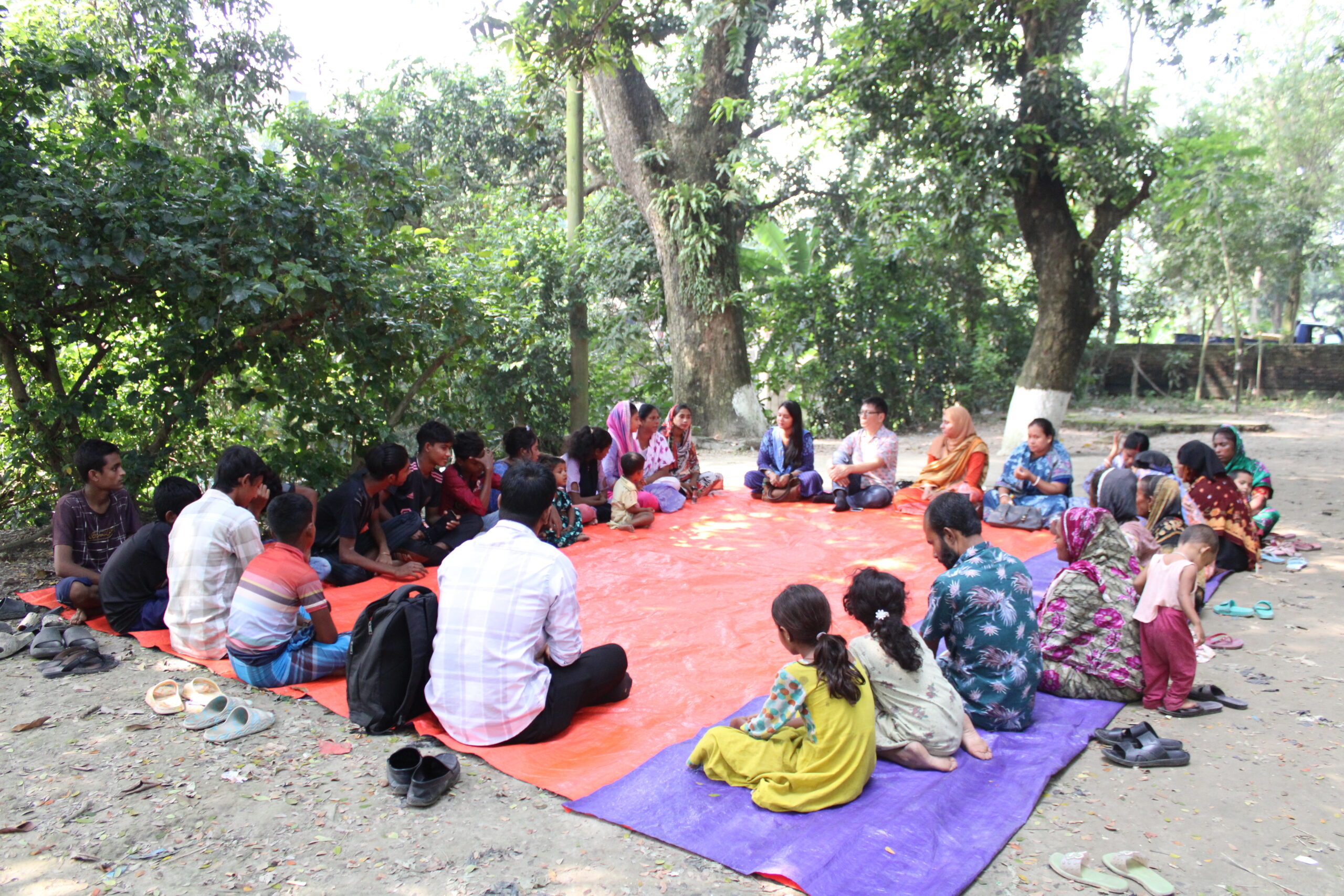
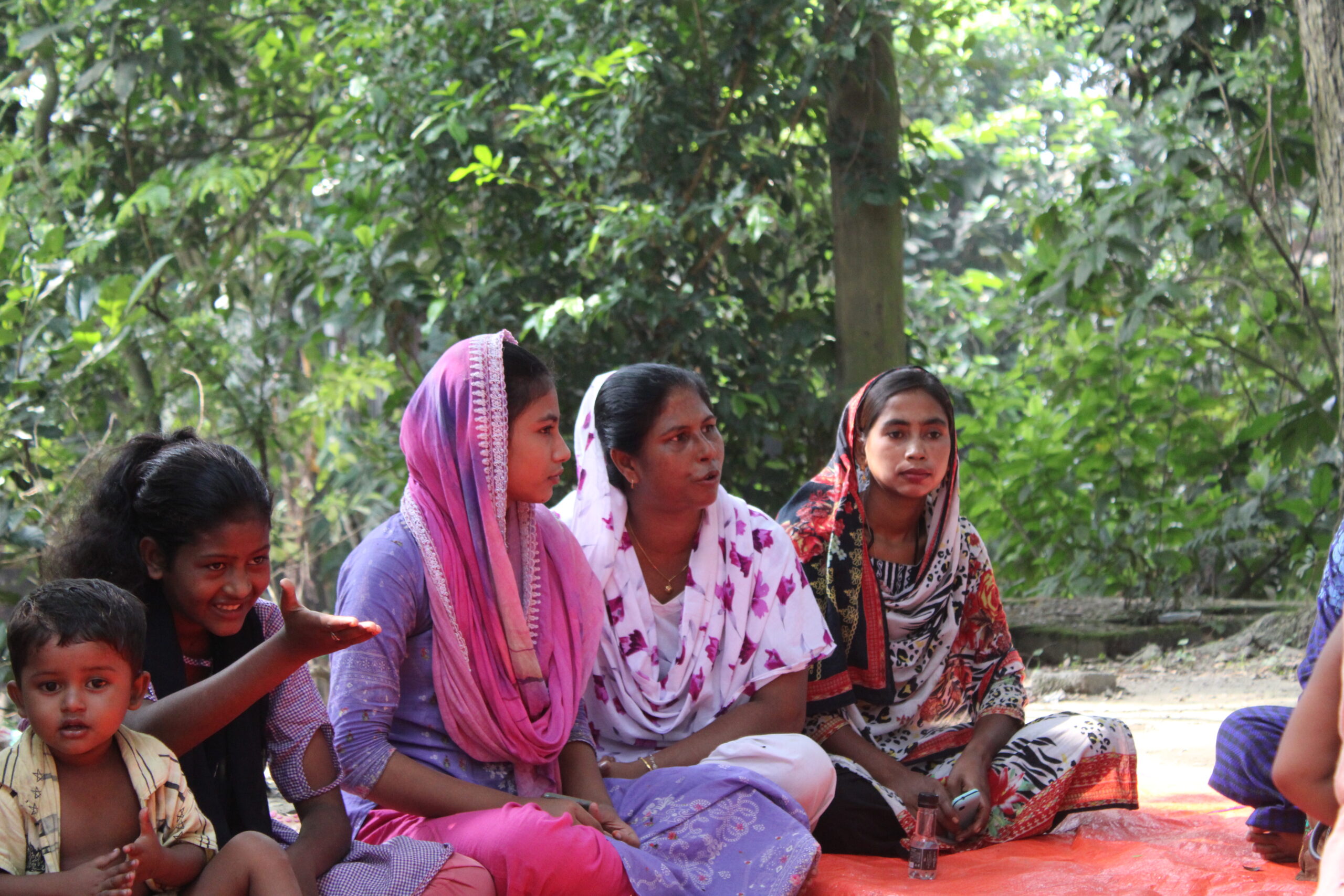
The following day, the ECDO team visited the Bede (river gypsy) community in Malkhanagar, Munshiganj. This was a deeply moving and eye-opening experience. The Bede people live on boats and lead a challenging life where men typically fish while women sell glassware in different regions. Despite their struggles, there is a visible shift in mindset within the community, facilitated by the SALT approach.
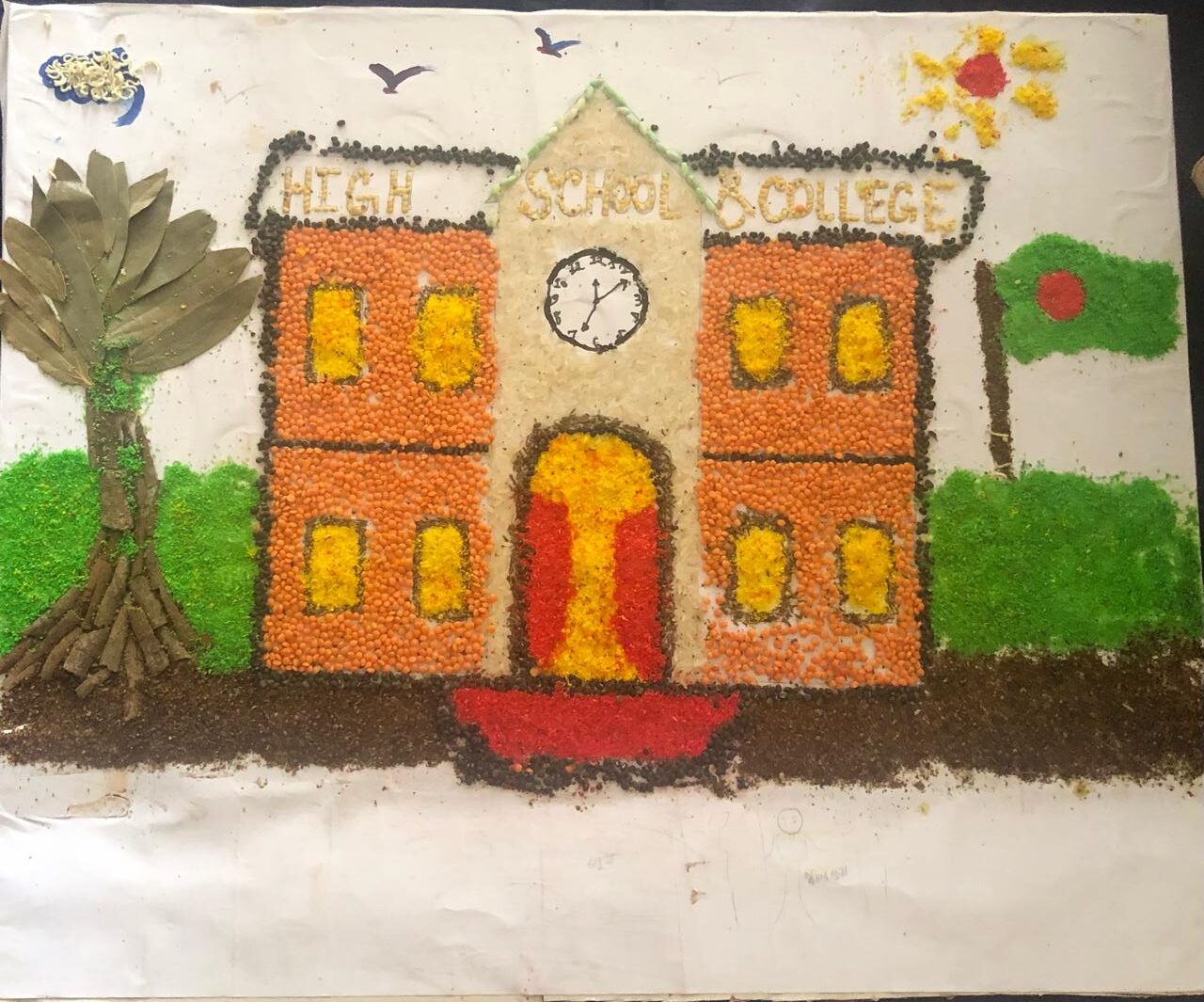
The final part of the exposure visit included a trip to the Harijan community in Narayanganj. Upon arrival, the team observed children enthusiastically engaging in clay art, an initiative designed to foster creativity and reduce screen time. Boys in the community also participate actively in football, with deliberate efforts to include children who might otherwise feel excluded. This promotes both physical activity and mental well-being. Previously, parents in the Harijan community were not highly engaged in their children’s education due to work demands. However, with ongoing facilitation and support, there has been a noticeable shift in attitudes. Parents are now more supportive, and class attendance has increased significantly. The community is beginning to recognize the value of education and is taking collective responsibility for ensuring their children’s academic development.
This exposure visit allowed ECDO to witness firsthand how the SALT approach is driving real and visible change across various marginalized communities. From tea gardens to boat-dwelling Bede families, and from creative children’s activities in Harijan communities to transformative masculinity sessions, the visit revealed a consistent thread that when communities are trusted, empowered, and supported, they are capable of leading their own development. The dedication of community volunteers and the creative, inclusive initiatives they lead are paving the way for sustainable change.
In conclusion, the visit to Alokito Kori and the communities they support was an inspiring journey of learning, sharing, and reflection. The lessons gained will not only be shared within ECDO but will also help further inspire and energize community initiatives in other areas. This visit reaffirmed the belief that true development begins from within the community itself.